
Custom covering enquiry worksheet
Name the Base Product and the Requested Change
A useful wallpaper OEM/ODM brief starts with an identifiable product and a specific change. Put the current specification beside the requested version, then add the design reference, quantity, intended application and decisions that need confirmation. This gives the enquiry a common starting point even when several people are contributing requirements.
The label OEM or ODM alone leaves many questions open. A buyer may mean a different supplied size, a new appearance, a logo request or particular packing. Describe the requested result in ordinary product terms so feasibility and the quotation can address the same requirement.
Source-supported OEM/ODM or size scope
The brown stripe/plaid PVC wallpaper accepts OEM/ODM enquiries. Its base format is 0.45 × 10m, with a stated 0.1mm thickness, self-adhesive peel-and-stick fitting and Brown as the selection. Standard packing is plastic film, and the catalogue minimum is 30 rolls.
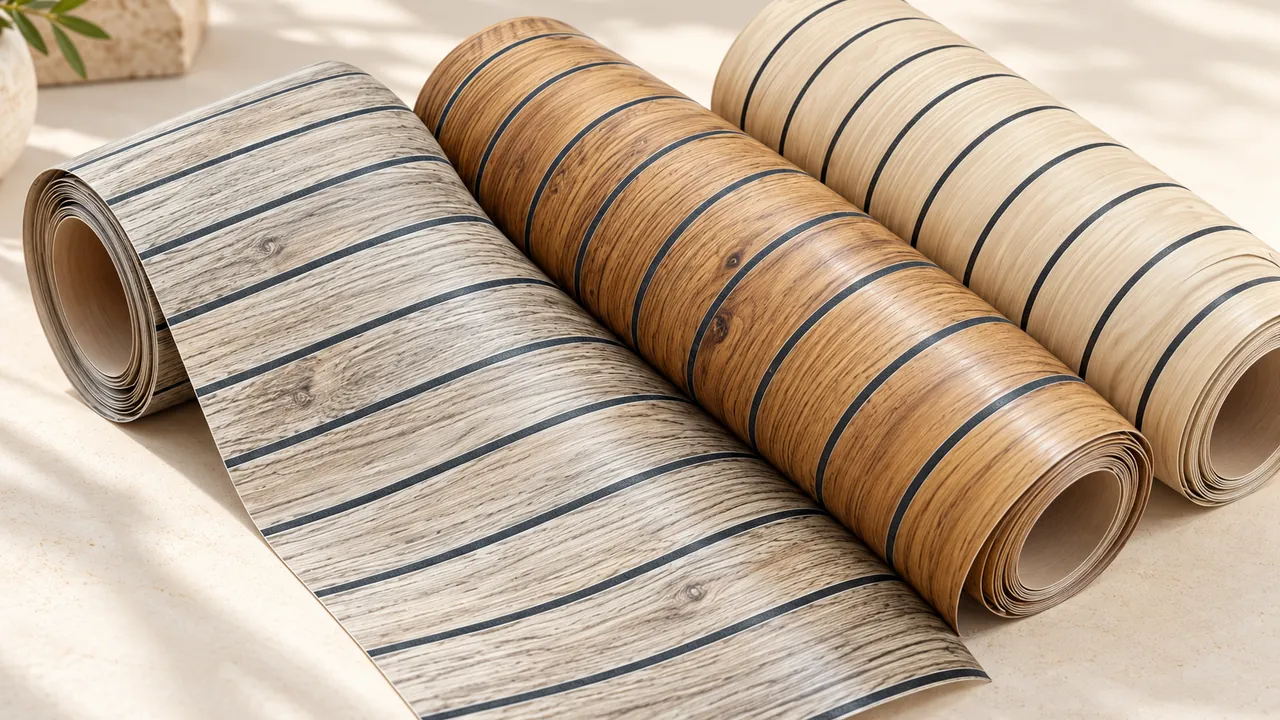
The wood-pattern vinyl/PE-foam grille roll explicitly accepts size customization. It is a self-adhesive peel-and-stick covering with a current 60 × 300cm format. Its catalogue selection asks the buyer to contact sales for the design catalogue.
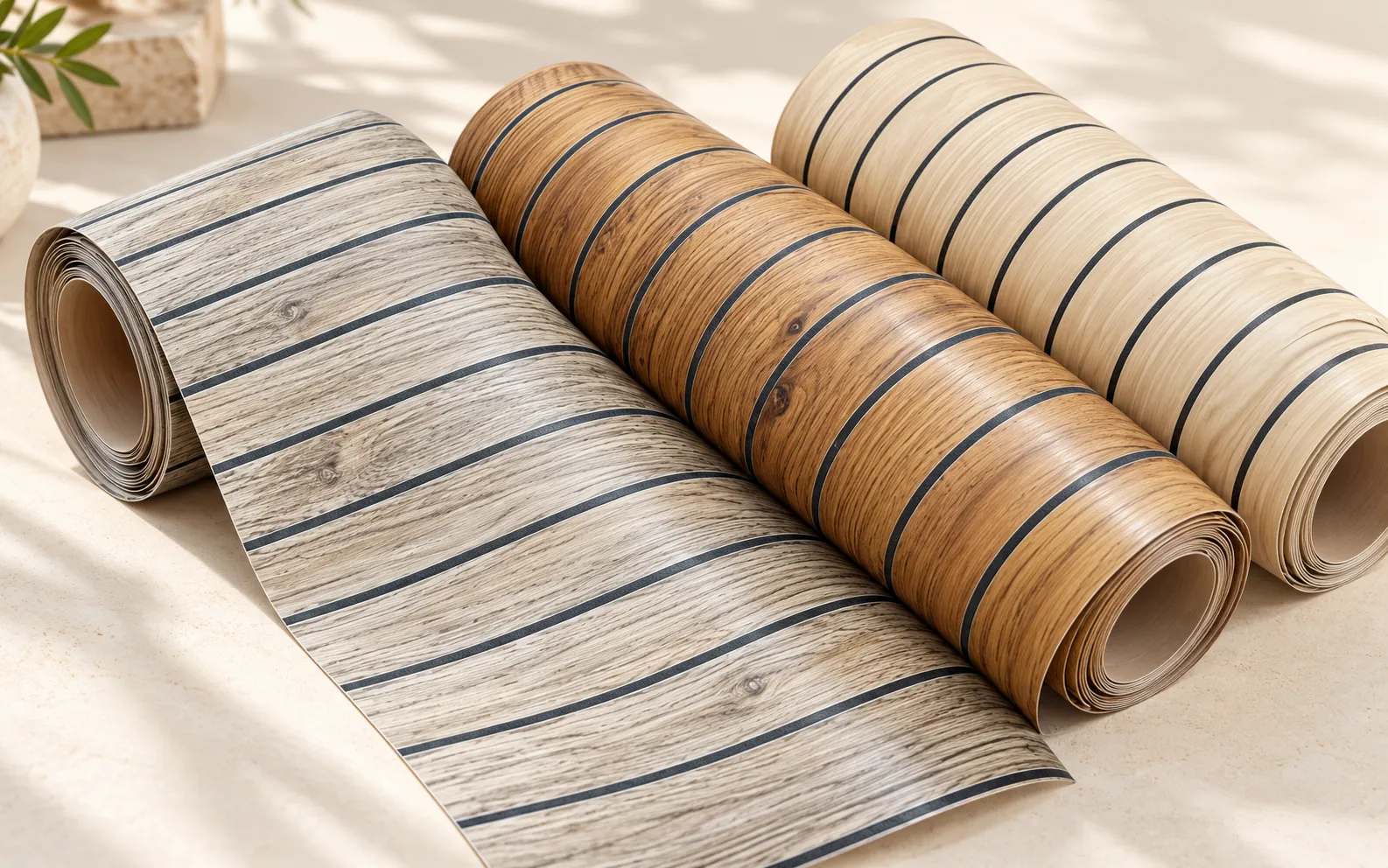
These are two different starting scopes: an OEM/ODM statement on the selected wallpaper, and an explicit size-customization statement on the grille roll. Use the relevant reference rather than treating either statement as a promise that every catalogue product can be changed in every way.
Current dimensions and requested dimensions
Write complete dimensions with units. For a roll, separate width and length, and say which one should change. Identify any relationship to the visible design: a requested length and the direction of a grille pattern are separate instructions. Include the size of the intended wall or supplied piece when that helps explain the request.
- Base specification
- Product link, material, current supplied dimensions, design reference and fitting description.
- Requested specification
- The proposed change, complete target dimensions and the features that should remain unchanged.
- Purpose of the change
- The surface, setting or purchasing need behind the request.
- Open decision
- What you need confirmed before selecting a version for quotation.
Changes that need feasibility review
List material, construction, printing, colour, finish or packing changes as individual requests. If several changes are essential, mark them clearly; if an alternative would be acceptable, explain that as well. This helps avoid a response to only one part of a combined request.
For example, a grille-roll size enquiry should identify the existing vinyl/PE-foam reference, the buyer's required new width and length, the chosen appearance and the intended direction. A different material should be raised as an additional feasibility question rather than silently included in the size request. The product-specific customization guide gives a concise starting checklist.
Prepare Artwork and Appearance Inputs
Appearance information should identify the version you want discussed, the result you hope to achieve and the dimensions that govern it. Separate a reference image used to explain an idea from artwork intended for production review.
Design references and file questions
Name the files and give them a version or date. Explain which file is current and what each attachment is intended to show. If you are choosing from the catalogue, include the actual design reference instead of sending only a generic description such as “wood style” or “brown wallpaper.”
Ask which file formats, image resolution, scale information and other inputs are needed for the requested change. Requirements should follow the product and the proposed process. A brief can ask about those inputs without assuming a particular printing method or a universally accepted production file specification.
Colour, gloss and texture
Describe the intended appearance and identify any physical or agreed digital reference you want reviewed. Say which differences matter most to the buying decision. If a colour standard or matching requirement is important, include the reference and ask what can be agreed for the selected product.
Keep the finish description separate from the colour. A request for a different shade does not automatically define gloss, texture or the appearance of the pattern at its intended scale.
Pattern direction and target dimensions
Mark the viewing direction on an elevation or sketch. For a grille appearance, show which way the pattern should run. For other artwork, identify the important design areas and how they relate to supplied dimensions, visible joins, corners and openings.
Ask how the proposed change affects the supplied arrangement. Confirm any artwork adjustment before using it as the approved reference for the order.
Permissions and ownership to agree
Identify the artwork or brand owner and confirm that you have permission to provide the material for the requested work. Raise any limits on its use, approval or later reuse, and agree the relevant conditions for developed artwork. Keep those decisions with the commercial documents instead of assuming that sending a file settles them.
Where a sample or artwork review is appropriate, define what the review must decide. The sample and finish-approval guide explains how to keep a product reference, specification and approval version together.
Write Quantity, Packing and Evidence Requirements
Quantity per design and unit
Specify a requested quantity for each design, using the intended supply unit. Keep rolls, pieces, cartons and the measured project area in separate labelled entries. If the enquiry covers several designs, a total quantity alone may hide the quantity required for each version.
Standard catalogue terms
The brown PVC wallpaper lists a 30-roll minimum. The grille covering lists five cartons, equal to 120 rolls per design. These are useful reference terms for the current products, with different stated quantity bases.
Quoted custom terms
Ask what minimum applies to the requested custom version, how designs or sizes are grouped and whether development or setup conditions affect the quotation. Record the answer separately from the catalogue minimum.
A custom enquiry should therefore show both “catalogue minimum for the base product” and “custom minimum to confirm.” This avoids presenting the ordinary 30-roll wallpaper minimum, or the grille roll's five-carton basis, as a guaranteed condition for a changed specification.
Requested labels or packing changes
Explain the packing you want in terms that can be assessed: individual wrapping, quantity per pack, identification of designs, label text, language and carton requirements. Specify which information is essential for your receiving or distribution process. Ask what can be supplied for the selected product and order quantity.
The brown wallpaper's plastic-film packing is a standard product fact. It does not define a custom printed label, branded carton or a particular number of rolls in a carton. Keep each requested alteration visible in the brief and ask for its availability, cost and quantity conditions.
Target application, market and required documents
Give the intended setting, actual surface and destination market. If your project needs a particular performance report, material declaration or other document, name the requirement and the product version it must cover. Explain whether the proposed change could affect the material or application being assessed.
For context, the brown wallpaper has waterproof, moisture-proof and mould-proof functions. The grille roll also has oil-proof features. These functions remain attached to the respective base products. If a custom version has a required performance outcome, include it as an explicit specification and evidence question.
Use the product evidence checklist to describe the document scope needed. A target market in the brief explains where supply is intended; it does not establish a certification or approval for that market.
Record the Feasibility and Approval Decisions
Organize the enquiry around decisions that can be recorded. This helps the buyer, designer and purchasing team keep one current version as the discussion develops.
Quoted change and commercial conditions
- Feasibility: identify which requested changes can be offered and which need adjustment or further information.
- Quoted specification: record the accepted material, appearance, dimensions, supply unit and quantity basis.
- Approval reference: identify any agreed sample or artwork review, its version and what the decision covers.
- Order handoff: keep the agreed version with the commercial conditions and outstanding decisions.
The point is to make the request traceable, not to assume every enquiry follows a fixed development sequence. A straightforward size question and a combined artwork-and-packing request may need different information and checkpoints.
Sample/artwork reference
If a review is agreed, record what will be supplied or presented, what it represents and who confirms the result. Include the date, product, specification version and any unresolved details. Keep the approved reference with the quoted custom version, especially when the request changes during discussion.
A review of colour or artwork placement may leave fitting or material questions open. Label the scope of the decision so a partial approval is not mistaken for acceptance of every technical and commercial detail.
Fees, revisions and timing to confirm
Ask about development, artwork, sample, setup or other charges where they apply. Confirm how revisions affect the quoted specification, minimum and schedule. Separate preparation, review and supply timing so the requested deadline can be discussed against the actual work and decisions involved.
Finish with a short open-items list: information still needed from the buyer, points awaiting feasibility confirmation and decisions required before an order. This is more useful than allowing an unresolved file version or packing request to disappear into an email exchange.
The RFQ checklist brings these inputs into the wider quotation brief. Send the base product, the requested change, design inputs and quantity together, with the application and evidence requirements that matter to the project.